
The Silent Thief: Overlooked Risk Factors Robbing Your Hearing
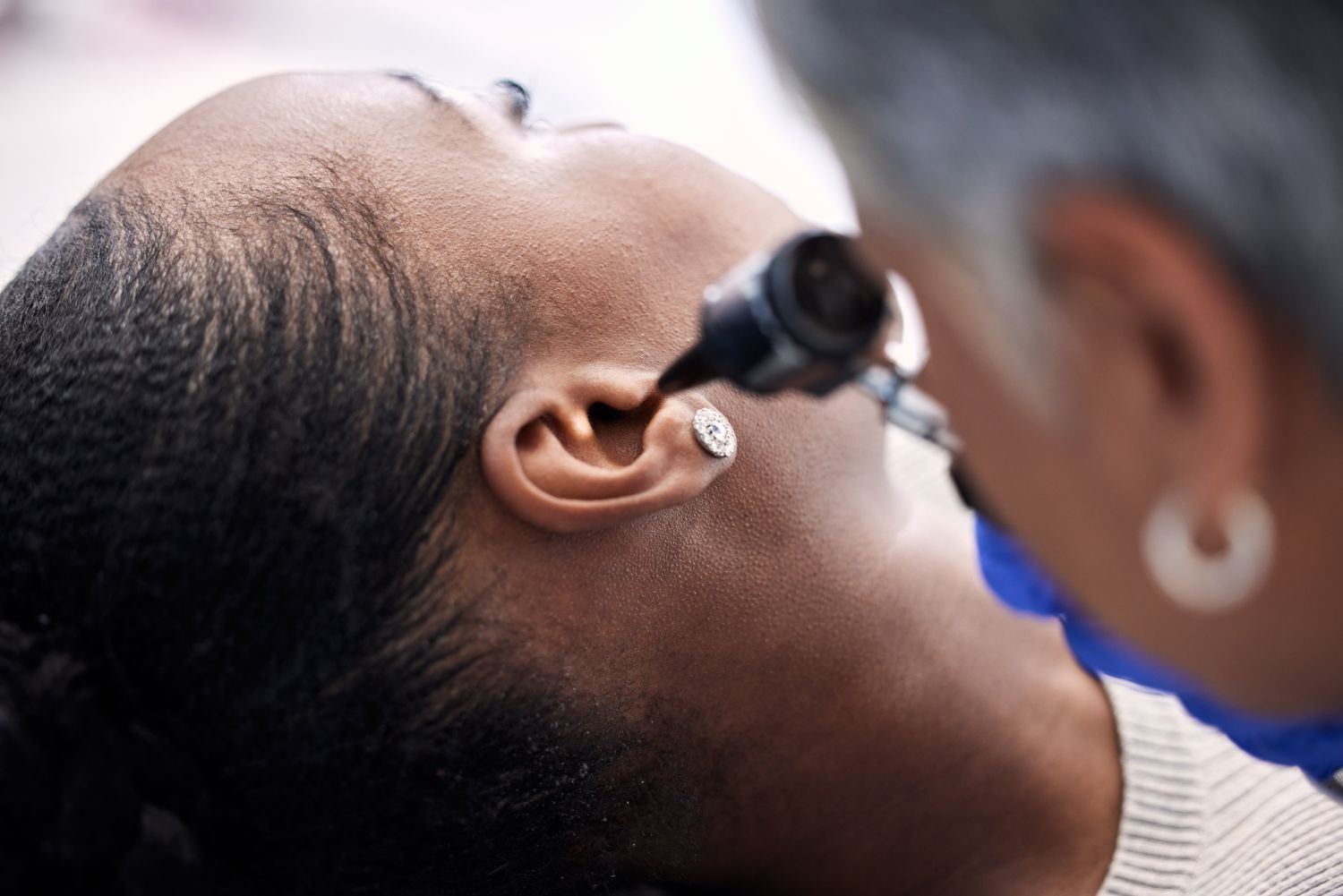
Hearing loss can develop gradually and often without any noticeable signs, making it crucial to understand the factors that may jeopardise your hearing. This article examines the common causes and contributing elements that can lead to hearing impairment. It is important to recognise the early warning signs, enabling individuals to take proactive measures before significant damage occurs. We will discuss practical protective strategies and lifestyle modifications that can help preserve hearing health for the long term. Do not allow this subtle yet impactful issue to compromise your auditory experience; learn how to effectively protect your hearing.
Risk Factors for Hearing Loss
Hearing loss is frequently referred to as the ‘silent thief’ due to its gradual onset, which often leads to a significant decline in auditory health and overall quality of life without noticeable symptoms.
Various risk factors contribute to the development of hearing loss, including age-related changes that affect the structures of the inner ear, exposure to elevated noise levels in occupational settings, and the use of ototoxic medications.
Furthermore, environmental noise pollution and genetic predisposition are critical factors that influence an individual’s susceptibility to auditory decline.
Therefore, it is imperative for healthcare professionals and communities to recognise and proactively address these factors to mitigate the impact of hearing loss.
Common Causes and Contributing Factors
Several common causes and contributing factors can lead to hearing loss, including acoustic trauma resulting from exposure to loud sounds, earwax accumulation that obstructs sound waves, and sudden hearing loss due to various medical conditions or injuries.
Each of these factors can significantly impair an individual’s ability to communicate effectively. Acoustic trauma, often a consequence of exposure to loud music or machinery, can damage the hair cells in the cochlea, resulting in permanent hearing impairment. Research indicates that approximately 12.5% of children and 17% of adults report experiencing some degree of noise-induced hearing loss.
Additionally, while earwax accumulation may appear harmless, it can obstruct the ear canal and lead to temporary hearing difficulties; if left untreated, this condition may progress to more severe hearing loss.
Sudden hearing loss, which can be associated with conditions such as viral infections or head injuries, may leave individuals feeling isolated and anxious. According to studies, nearly 60% of individuals experiencing sudden hearing loss report psychological distress due to communication barriers.
Therefore, regular hearing screenings and comprehensive audiological assessments are essential for the early detection and management of these risks, facilitating timely intervention that can significantly enhance quality of life.
Signs and Symptoms of Hearing Loss
Recognising the signs and symptoms of hearing loss is crucial for facilitating timely intervention, given that many individuals may not immediately acknowledge their auditory decline.
Common symptoms include difficulty in understanding speech, especially in noisy environments, as well as the presence of tinnitus, characterised by a ringing or buzzing sensation in the ears.
Furthermore, auditory fatigue and frequent requests for repetition may serve as indicators of emerging hearing issues, underscoring the importance of awareness and proactive measures to protect auditory health.
Recognising Early Warning Signs
Recognising the early warning signs of hearing loss is essential for maintaining effective communication and overall quality of life. Individuals may observe a gradual increase in communication difficulties, such as misunderstanding conversations or needing others to speak more loudly.
These early signs can lead to challenges in social engagement, which may subsequently impact mental health and elevate the risk of social isolation.
It is important for individuals to be attentive to other indicators, including:
- Frequently asking others to repeat themselves
- Increasing the volume on devices
- Finding it difficult to follow conversations amidst background noise
Timely hearing screenings represent a proactive approach to identifying changes at an early stage. Additionally, seeking counselling services is crucial for addressing the emotional consequences of hearing loss.
Implementing supportive strategies, such as connecting with hearing loss support groups, can cultivate a sense of community, enhance coping mechanisms, and ultimately improve social interaction, thereby alleviating the psychological burdens associated with diminished hearing.
Preventing Hearing Loss
Preventing hearing loss requires a comprehensive approach that involves recognising risk factors and implementing effective strategies to safeguard auditory health.
Essential preventive measures include the regular use of ear protection in high-noise environments, such as workplaces and concert venues, in addition to adopting lifestyle changes that minimise exposure to harmful sound frequencies.
Furthermore, education on hearing conservation and public awareness initiatives can play a significant role in enhancing community resources dedicated to auditory health.
Protective Measures and Lifestyle Changes
Implementing protective measures and making lifestyle changes are critical steps individuals can take to safeguard their hearing from noise-induced hearing loss. These measures encompass the use of protective equipment in high-noise environments, adopting healthier lifestyle choices such as reducing smoking and excessive alcohol consumption, and prioritising regular hearing screenings to monitor auditory health over time.
Research indicates that up to 25% of adults employed in high-noise occupations experience significant hearing loss, underscoring the importance of utilising earplugs or noise-cancelling headphones during prolonged exposure to loud environments. Health professionals advocate for the integration of quiet habits into daily routines, such as listening to music at lower volumes and taking regular breaks from noisy settings.
Health education plays a crucial role in raising public awareness about the risks associated with hearing loss. Enhanced awareness can facilitate earlier diagnoses, as individuals are more likely to seek audiological assessments when they understand the importance of hearing health. Regular screenings can identify issues that may not be evident until they have progressed to a more severe stage, thereby highlighting the necessity for proactive engagement in auditory health.